

 Analysis by Gamescozy
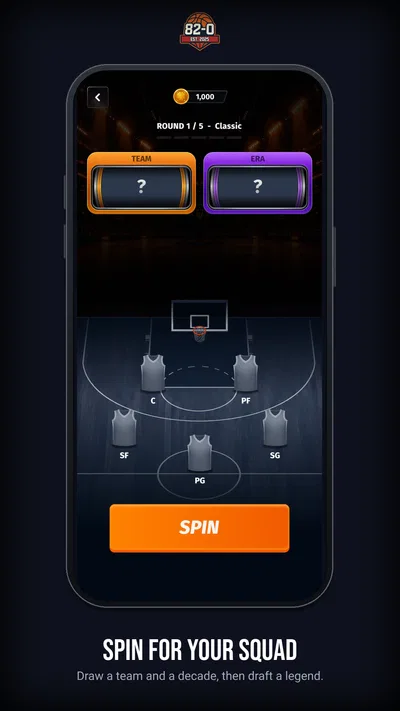
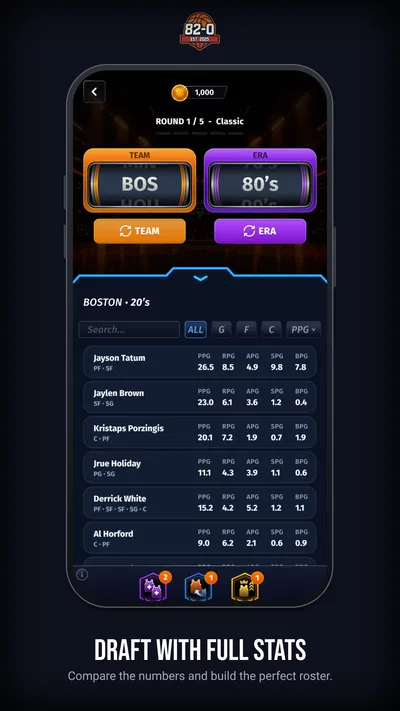
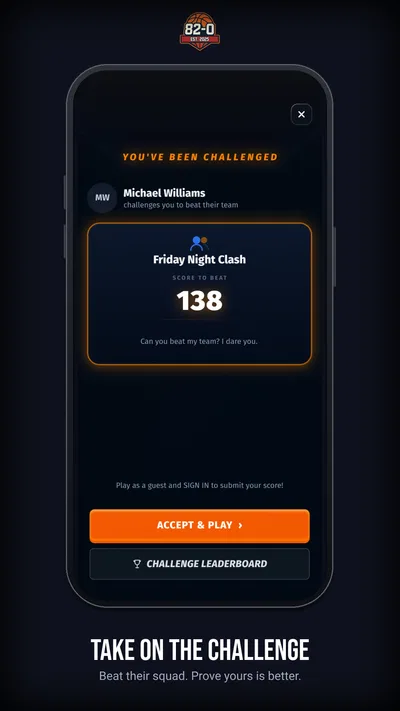
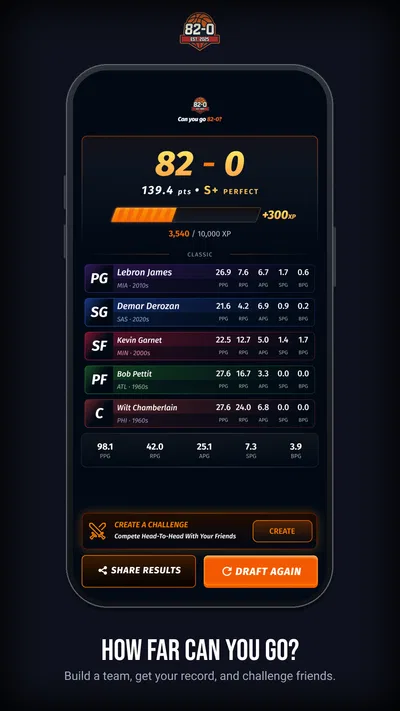
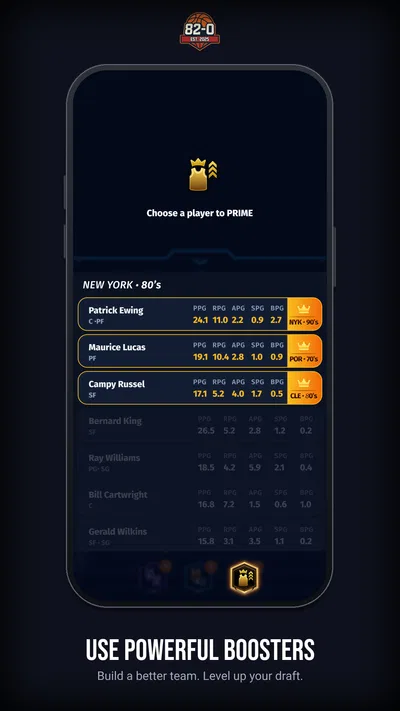
I like sports games that give me a clear challenge without asking me to learn a complicated control scheme first. 82-0.com sets its focus on building a basketball lineup and chasing an unbeaten season. That premise is easy to understand, but it also puts the emphasis on the decisions behind a team rather than on describing a full on-court simulation. I’d approach it as a compact roster-building challenge, not as a substitute for a basketball game built around direct play.
There is a useful distinction between what the game plainly promises and what a player may hope it includes. The central idea is assembling a lineup and seeing whether it can reach a perfect record; the short store description is simply its name. That gives prospective players a strong sense of the goal, but not a detailed picture of every mechanic. If you want a sports game where the main appeal is tuning a team and testing your choices, that focused premise is appealing. If you need to know exactly how every match, player decision, or progression system works before installing, the concept alone may not answer those questions.
What the free entry point is worth
The game is free to download, which makes trying its core idea a low-commitment choice. It is a basketball title from Vaulty Studios Inc., and its sports framing is clear from the outset. I would treat the free price as a chance to see whether the lineup challenge suits you, rather than as proof that every part of the experience is available without spending.
In-app purchases are listed, with individual items ranging from $0.99 to $299.99. That is a wide span, and it matters more than a simple “free” label when you are deciding whether the game fits your budget. I wouldn’t assume that a purchase is needed to enjoy the basic premise, nor would I assume that every purchase is optional in practice; the sensible approach is to start without paying and judge the experience on what you can do at no cost.
If you are the sort of player who gets drawn into optimizing a roster, set yourself a spending boundary before you begin. A clear personal rule—such as not buying anything until you have played enough to understand what it changes—can help separate genuine enjoyment from the impulse to improve a lineup quickly. The available price information tells me that optional purchases can be inexpensive or very costly, but it does not establish what each item does or whether any one of them is good value.
The game is rated for Everyone, so its listed audience is broad. That can make it an easy sports-game suggestion for a household with different ages, though I’d still keep the purchase range in mind if a child will be playing. The age rating and the payment model answer different questions: one concerns suitability, while the other makes it worth supervising purchases in the usual way.
Where the lineup challenge earns its keep
The strongest part of the idea is the long-range target. Trying to build a team capable of an undefeated season gives roster choices a purpose beyond collecting names or making changes for their own sake. Even without assuming any particular player attributes or match mechanics, the goal encourages a useful loop: form a lineup, see how it fares, and decide whether your next change makes the team more convincing.
That makes it a natural fit for short sessions. I can imagine opening it while waiting for a coffee, reviewing the team, making one considered adjustment, and returning later to see how the challenge is going. The value in that routine is not a promise of a specific quick-play mode; it is that the stated objective is understandable enough to give a brief visit direction. A game with a single clear ambition can be easier to dip into than a sports title that expects a long match or a deep career session every time.
One practical tip is to avoid changing several parts of a lineup at once if you want to learn from the results. Even in a roster-focused game, making one deliberate adjustment at a time is a better way to judge whether your choices are helping than constantly rebuilding without a clear reason. This is a general decision-making approach rather than a claim about a hidden in-game feature, and it suits the game’s central emphasis on constructing a team for a difficult record.
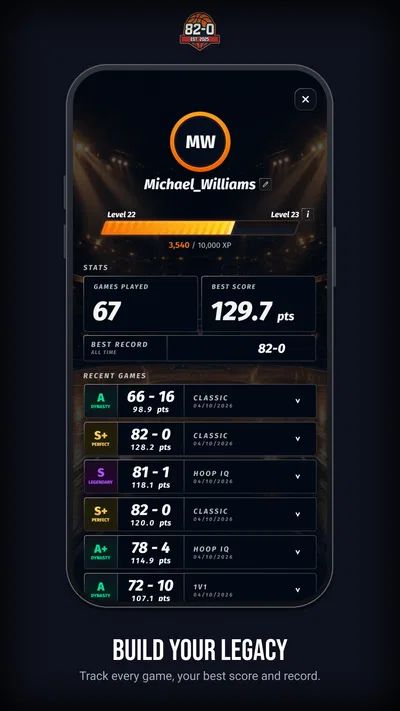
A second useful habit is to think of the unbeaten target as a test of patience, not just a finish line. A perfect season is an unusually demanding premise by design: one setback can make the goal feel distant. If that kind of pressure is motivating, the challenge gives you a reason to care about each decision. If you prefer a sports game where losses are simply part of a relaxed season, this framing may feel unforgiving even before you know the details of how the game handles setbacks.
There is also a particular appeal for basketball fans who enjoy the front-office side of the sport. A player who likes weighing lineups and debating what makes a balanced team may find more to enjoy here than someone who mainly wants to control a player on the court. That distinction is important when comparing it with familiar alternatives: many sports games center their appeal on live action, while this one presents its identity through team construction and the pursuit of a flawless campaign.
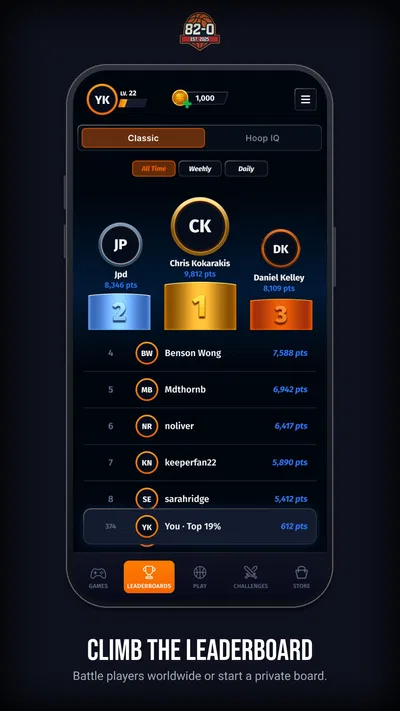
Its audience numbers suggest that the game has found a substantial group of players, while the average rating is 4.5 from around 9,100 ratings. Those figures offer context, not a guarantee that its particular challenge will suit you. I’d read the positive average as a reason to take the concept seriously, but I’d still make the decision based on whether roster building and a demanding season goal sound enjoyable to you.
Tradeoffs to consider before settling in
The most obvious tradeoff is that the central objective is narrow. Chasing 82 wins without a loss is a strong hook, but a single high-pressure goal will not appeal to everyone. I would skip it if I’m looking for a broad collection of modes, casual match variety, or a forgiving experience where the outcome of each game matters very little. The premise is much better suited to someone who likes a specific target and is willing to keep refining a team around it.
The other limitation is how little the basic description tells a newcomer about the details of play. It establishes lineup building and the unbeaten ambition, but not the depth of the roster choices, the pace of progression, or the precise relationship between purchases and advancement. That uncertainty is a reason to try the free version cautiously, not a reason to fill in the gaps with assumptions. If you need a fully explained simulation before investing time, a more explicitly described basketball game may be a safer choice.
Another tradeoff comes from the purchase range. A free starting point is attractive, but the high end of the listed in-app purchase range is substantial. That does not prove players need to spend that amount, and it would be unfair to treat the maximum item price as the cost of playing. It does mean I’d avoid buying anything simply because a run is going badly or because I feel pushed to fix a lineup quickly. First find out whether the game is enjoyable on its own terms.
For a different kind of basketball experience, I’d choose a title centered on direct control if I wanted the sensation of playing the sport moment to moment. I’d also choose a broader sports-management option if I wanted a clearly documented range of leagues, systems, or long-term activities before starting. 82-0.com is more compelling when the specific challenge itself is enough to carry your interest, rather than when you expect it to cover every part of basketball gaming.
It is also worth checking that your device meets the stated minimum operating-system requirement before downloading. The current version is 1.10.5, and the game requires Android 7.0 or later. Those details are practical rather than glamorous, but they help avoid an unnecessary install attempt on an older device.
Who is likely to get real value
I’d recommend giving it a try if you like basketball, enjoy thinking about how a lineup should fit together, and find a near-impossible season goal energizing. It should also suit players who prefer a focused sports challenge to a large menu of modes. The game has attracted over 500,000 installs, so there is a meaningful audience for its approach, but popularity alone should not decide the matter: the central question is whether you enjoy making team choices and pursuing a perfect record.
It may be a good fit for someone who checks in briefly throughout the day rather than sitting down for a long session. A quick routine could be to review the lineup, make one change only when you have a reason, and come back after you have seen the result. Keeping your own notes on what you changed can make those visits more thoughtful, especially if the game’s feedback leaves you wanting a clearer personal record of your decisions. That is a player-made workflow, not a built-in tool I’m claiming the game includes.
I’d be more cautious about recommending it to a player who dislikes repeated optimization, wants detailed explanations before making choices, or gets frustrated when a long-term target is difficult to reach. I’d also be careful if you are trying to keep in-app spending tightly controlled: the free download makes experimentation accessible, but the listed purchase range is a good reason to set boundaries in advance. For a family, the Everyone rating is reassuring, while purchase supervision remains sensible.
My buy-or-skip verdict
My verdict is to try it free if a lineup-building basketball challenge sounds appealing, then decide whether the experience earns more of your time. The game’s clearest strength is its focused ambition: make a team and pursue an unbeaten season. That gives it a recognizable identity compared with sports games built mainly around live action, but it also means the appeal depends heavily on enjoying that one central idea.
I would not treat the free download as a promise of unlimited value, and I would not spend based on the hope that purchases will solve a frustrating run. Play first, learn what the game actually asks of you, and only consider an item if its value is clear to you. With a 4.5 average and a sizable player base, it is worth a look for the right basketball fan, but it is not automatically the right choice for someone seeking a full-featured on-court simulation or a broad sports package.
In short, I’d recommend it to friends who enjoy lineup decisions and want a demanding season goal they can revisit in small bursts. I’d point action-first players toward a game built around direct basketball play instead. The best reason to download this one is not simply that it costs nothing to start; it is that the particular challenge of building a team for an unblemished season sounds fun enough to keep you thinking about your next move.